
Cannabis Cultivation
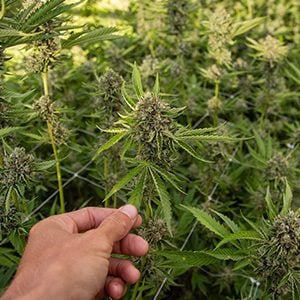
Cannabis Cultivation: From Seed to Harvest
Cannabis cultivation has existed for centuries, and while methods have evolved, the fundamentals remain rooted in nature and science. The process of growing cannabis involves multiple stages, each with its own unique requirements for success—ranging from the type of growing media, lighting, nutrients, genetics, air quality, and overall environmental control.
The Lifecycle of the Cannabis Plant
The cannabis plant goes through a defined lifecycle that varies by genetics and growing conditions, typically lasting anywhere from 2 to 8 months. Understanding each stage of this lifecycle is essential for cultivating a healthy and potent crop.
Whether grown indoors or outdoors, the key to successful cultivation lies in controlling the plant’s environment. Indoor cultivation offers full environmental control—allowing growers to fine-tune temperature, lighting, humidity, and airflow to produce premium-quality buds. In contrast, outdoor cultivation relies on natural elements, which can be cost-effective but also subject to weather fluctuations, pests, and other variables that can affect yield and quality.
Maintaining air quality and cleanliness, especially in indoor grows, is critical. Proper filtration systems help prevent mold, bacteria, and stagnant air, ensuring a clean environment throughout every stage—from germination to harvest, drying, and curing.
Understanding Cannabis Strains and Genetics
Cannabis comes in many forms and is broadly categorized as either hemp or marijuana, based on THC content. There are also multiple strain types, including:
-
Indica – Known for relaxing effects
-
Sativa – Typically uplifting and energizing
-
Hybrids – A blend of both indica and sativa traits
-
Ruderalis – Auto-flowering, hardy plants often used for breeding
Cannabis plants are cultivated for various cannabinoid profiles, most commonly high-THC or high-CBD varieties. Each strain and cannabinoid target requires tailored growing techniques, nutrient regimens, and environmental strategies.
Starting with Seeds: Germination and Genetics
Before diving into full cultivation, it begins with germination—the process of activating a seed using water, warmth, and light. There are two main types of cannabis seeds:
-
Regular Seeds – Created by mating male and female plants, producing offspring of both sexes.
-
Feminized Seeds – Created by breeding two female plants, producing offspring that are 99% female.
Female plants are essential for producing floral buds, which contain the resinous cannabinoids used for smoking, vaping, extraction, and dabbing. Male plants, on the other hand, must be removed, as they pollinate females and trigger seed production rather than cannabinoid-rich flower development.
The 8 Key Stages of Cannabis Growth
Cultivating cannabis involves eight distinct growth stages, each critical to the plant’s development:
-
Germination – Activating the seed and initiating root and shoot growth
-
Seedling – Early leaf development and establishment of the plant
-
Vegetative – Rapid growth of stems, branches, and leaves
-
Pre-Flowering – The plant shows signs of sex and prepares for bloom
-
Flowering – Buds begin to form and resin production increases
-
Harvesting – Flowers are carefully cut at peak potency
-
Drying – Moisture is slowly removed to preserve cannabinoids and terpenes
-
Curing – Controlled aging to enhance flavor, smoothness, and potency
Conclusion
Successful cannabis cultivation is part art, part science. Whether you’re growing for high THC, high CBD, or other minor cannabinoids, it all begins with understanding the plant’s lifecycle, genetic potential, and environmental needs. With the right approach and attention to detail, growers can consistently produce high-quality cannabis from seed to sale.
Hemp
VS

Marijuana
The difference between hemp and marijuana comes down to legal definitions, chemical composition, and usage, even though they both come from the same plant species: Cannabis sativa L.
Here’s a clear breakdown:
🌿 Hemp vs. Marijuana: Key Differences
| Category | Hemp | Marijuana |
|---|---|---|
| THC Content | ≤ 0.3% Delta-9 THC (by dry weight) | > 0.3% Delta-9 THC |
| Psychoactive Effects | Yes/No | Yes (produces a “high”) |
| Legal Status (U.S.) | Federally legal under the 2018 Farm Bill | Federally illegal (Schedule I) but legal in some states |
| Primary Use | CBD products, industrial uses (textiles, paper, food, biofuel) | Recreational and medical cannabis products |
| Plant Appearance | Tall, thin stalks; sparse leaves and flowers | Shorter, bushier with dense, resinous buds |
| Cultivation Purpose | Grown for fiber, seed, and cannabinoids like CBD | Grown for THC-rich flowers |
✅ Summary
-
Hemp is cannabis that contains 0.3% or less Delta-9 THC and is used primarily for CBD extraction and industrial purposes.
-
Marijuana refers to cannabis with more than 0.3% THC, grown for psychoactive and medicinal purposes.
Despite their differences, both hemp and marijuana offer a wide range of cannabinoids—like CBD, CBG, CBN, and even Delta 8—that can be used in various wellness and therapeutic applications.

🌱 Genetics & Strains: The Heart of Urban Daze Cultivation
The Power of Genetics in Cannabis
At Urban Daze, we believe genetics are the foundation of every exceptional cannabis product. Choosing the right cannabis to grow starts with a deep understanding of plant genetics—and how they influence everything from cannabinoid content to terpene profiles.
Here are the key genetic terms every cannabis enthusiast or grower should understand:
-
Gene: A segment of DNA responsible for specific traits in the cannabis plant, such as color, height, or cannabinoid production.
-
Genotype: The complete genetic makeup of a cannabis plant, which determines the range of traits (phenotypes) it can express.
-
Phenotype: The observable traits of a plant—like bud structure, growth pattern, color, aroma, and cannabinoid levels—shaped by both genotype and environment.
-
Cultivar: A specific strain developed by breeding two cannabis plants to emphasize desired traits like higher THC or a unique terpene profile.
Why Breeding Matters
Breeding cannabis is both a science and an art. At Urban Daze, we selectively breed plants to enhance specific characteristics, such as:
-
Cannabinoid content (THC, CBD, minor cannabinoids)
-
Growth stability and yield
-
Terpene-rich flavor and aroma
-
Environmental resistance
-
Visual appeal and resin production
Each plant we breed is tested using High-Pressure Liquid Chromatography (HPLC) to determine its exact cannabinoid profile. From seed to selection, we use precision science and field expertise to cultivate phenotypes worth preserving and sharing.
Understanding Strains
Cannabis is one of the oldest cultivated crops in human history—grown for over 12,000 years. Strains vary widely, and today we distinguish them across several key types:
-
Cannabis Sativa – Tall, energizing, uplifting effects
-
Cannabis Indica – Shorter, bushier plants known for relaxing, sedative effects
-
Cannabis Ruderalis – Smaller plants with auto-flowering traits, often used in breeding
-
Hybrids – Crosses between two or more types to combine desirable traits
-
Cannabis Sativa L. – A legal classification often used when referring to hemp, which contains less than 0.3% Delta-9 THC
The Urban Daze Difference
At Urban Daze, we source and pheno-hunt elite genetics from around the world to breed and cultivate only the best. Each plant is evaluated for:
-
Lineage and genetic background
-
Cannabinoid and terpene profiles
-
Trichome density and resin production
-
Aromas and flavors
-
Growth behavior and environmental resilience
-
Harvest timelines and yield consistency
From initial germination to final harvest, every strain we develop is crafted for connoisseurs and cultivators who demand exceptional quality.
Whether you’re seeking a strain rich in CBD, Delta 8, Delta 9, or rare cannabinoids, Urban Daze genetics deliver purity, potency, and performance—backed by science, passion, and precision.
Contact Us
Got questions, thoughts, or just want to reach out? Contact our team at Urban Daze anytime! We are here to help with anything and everything you need. Whether it’s about our products, testing processes, or simply to connect, we look forward to hearing from you!


